

Liveup Aerobic Step
Original price was: ₨ 9,500.₨ 8,800Current price is: ₨ 8,800.
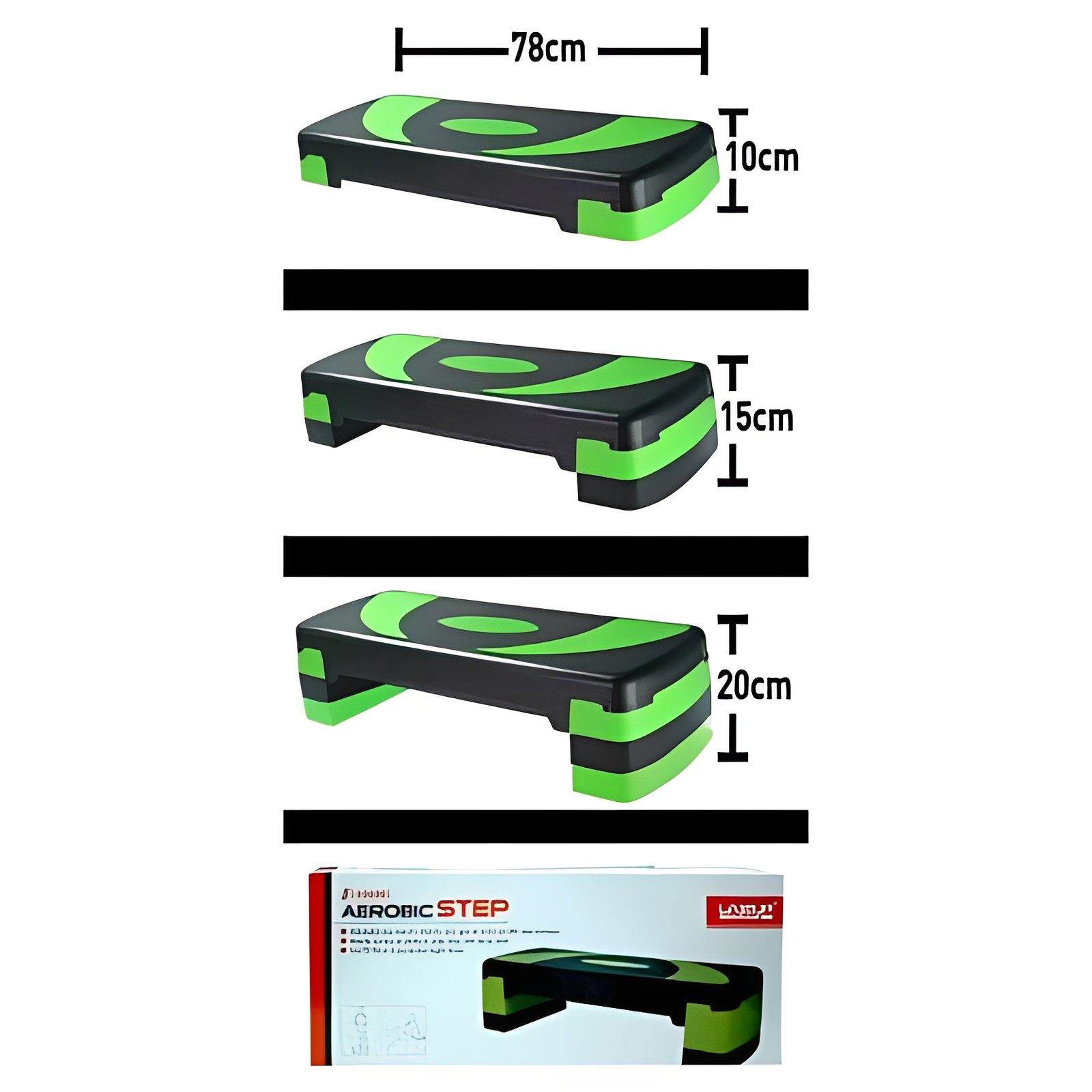
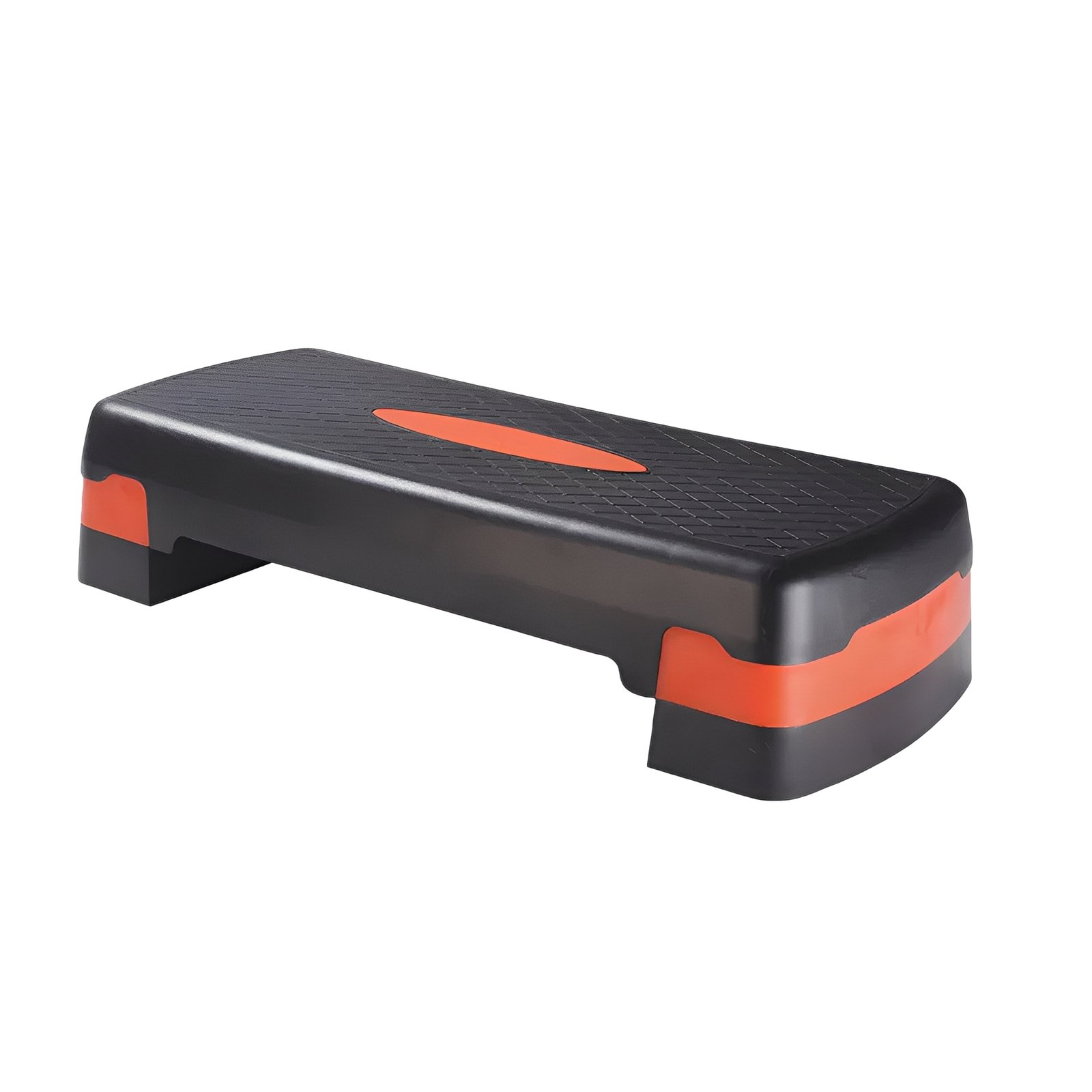
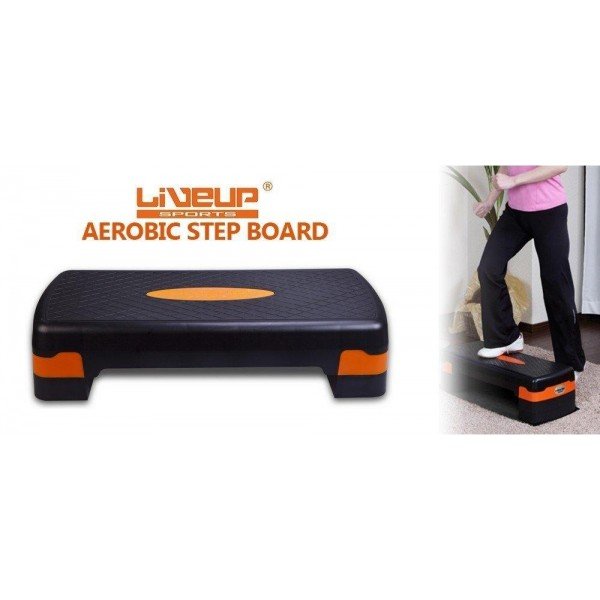
A durable, high-stability aerobic step platform made of heavy-duty plastic with a non-slip surface and two adjustable height levels (typically ~10 cm and ~15 cm). Ideal for home or gym use to tone legs, glutes and build cardio strength.
Dimensions typically around 66 × 27 cm (or 68 cm long) depending on model.
Description
-
Size: approximately 66 × 27 cm (for some model listings) or up to ~78 × 30 cm for larger variants.
-
Height adjustment: typical settings include ~10 cm and ~15 cm heights; some models claim up to ~20 cm.
-
Material: robust plastic (ABS or polypropylene/PP) with a textured non-slip surface for safe footing during dynamic movement.
-
Anti-slip features: the platform surface is designed with frictional texture; base with stable feet or anti-slip shims to minimize sliding.
-
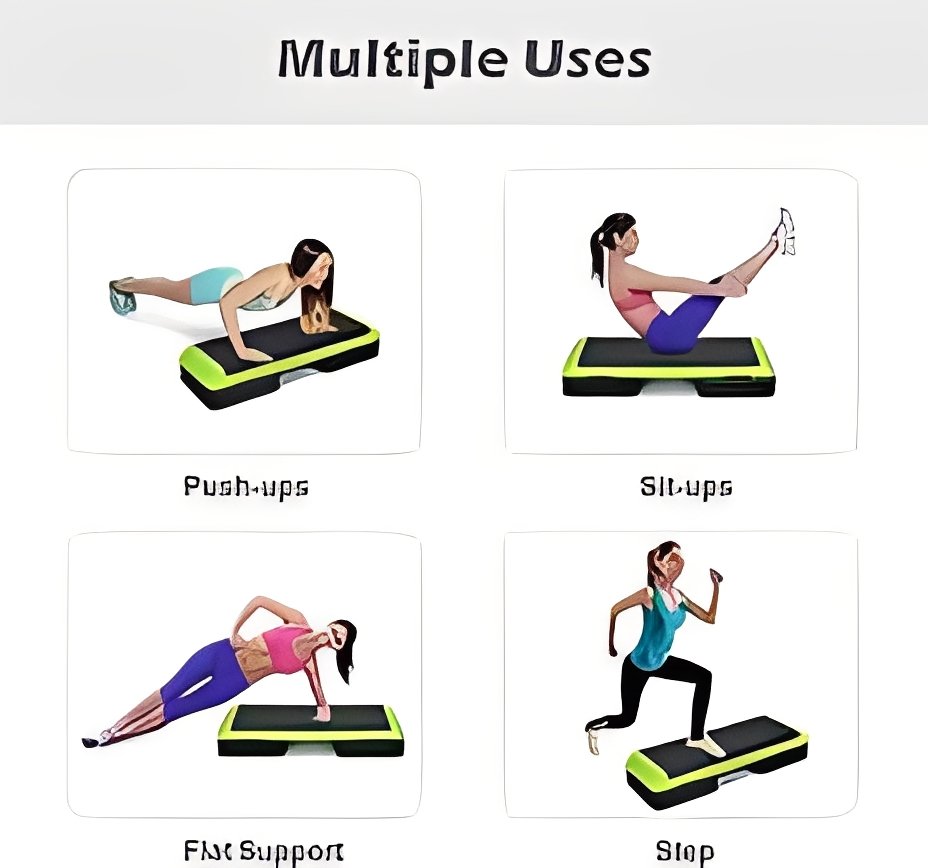
Use cases: suitable for both home and gym settings, for fitness studios, group classes, or personal workouts.
-
Additional traits: Lightweight and portable for most users; easy to store when not in use. Some variants feature a cleaning-friendly surface.
Benefits
-
Cardio & fat-burning: Step platforms are effective for elevating heart rate, improving cardiovascular fitness, and burning calories.
-
Lower-body & glute strength: Step-ups, hops, lateral steps all engage quads, hamstrings, glutes and calves.
-
Versatility: By changing height or movement, you can increase or decrease intensity (e.g., low step vs high step).
-
Stability & safety: The non-slip design and robust build help ensure safe movement, especially during fast step motions.
-
Space-efficient: Because it’s compact, it fits well in a home gym or shared space.
Considerations Before You Buy
-
Height needs: If you’re taller or want very high-intensity jumps, check if the model supports the maximum height you prefer (20 cm+) as some variants only go to ~15 cm.
-
Weight capacity & durability: While not always stated explicitly, ensure the step is solid and stable for your body weight and style of use (especially if doing dynamic movements).
-
Footprint & storage: Make sure the size (length × width) fits your workout area and that you have space to store it.
-
Surface support: If using on slick flooring (e.g., tile) ensure the bottom has good anti-slide feature or you place a mat underneath.
-
Workout variation: If you plan to use for more than basic step-ups (e.g., plyometric jumps), ensure the build quality suits that use.
Reviews
There are no reviews yet.